
Understanding the connection between the brain, immune system, and overall health.
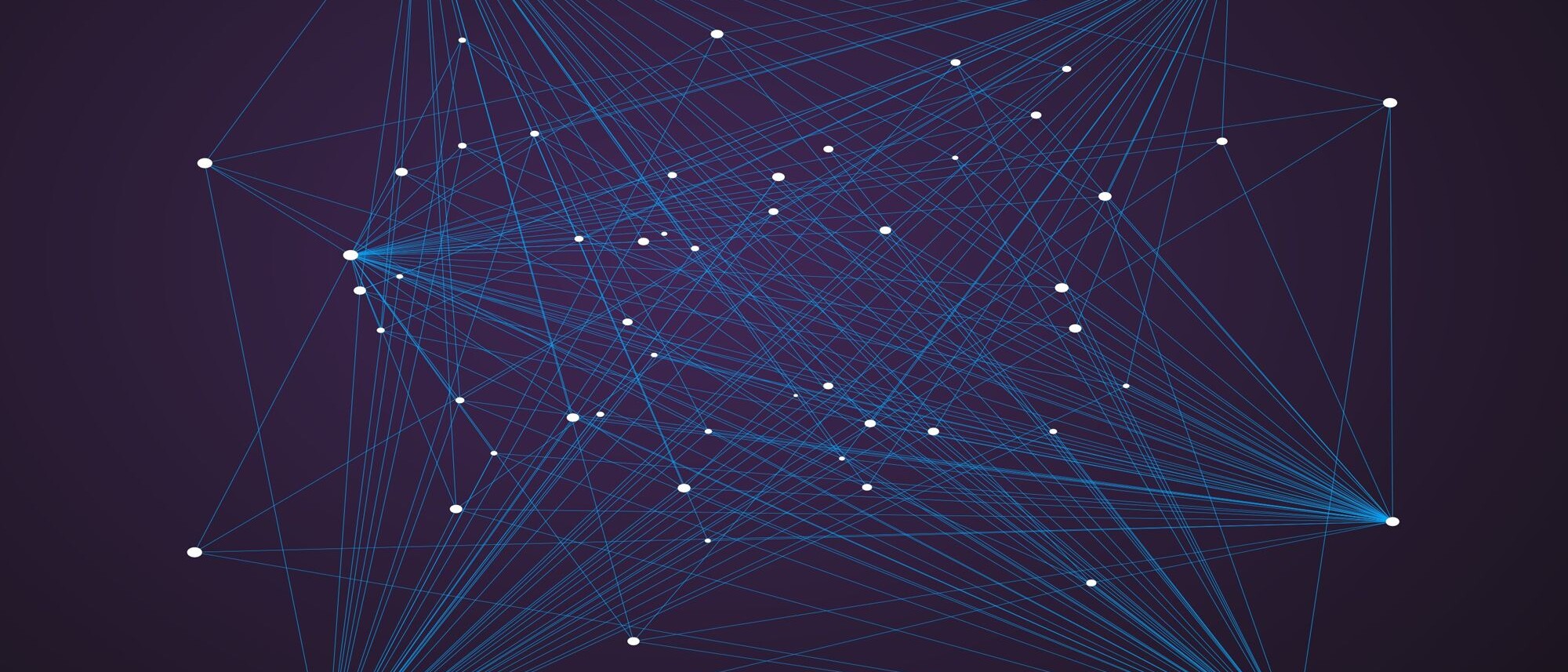
Psychoneuroimmunology (PNI) is the study of how the brain, nervous system, immune system, and endocrine (hormonal) systems interact and influence one another.
Rather than viewing symptoms in isolation, PNI recognizes that health is shaped by a dynamic network of communication among these systems, in which stress, emotions, lifestyle, and physiology all play a role in outcomes.
What This Means Clinically
From a clinical perspective, this approach helps us understand why many chronic health conditions cannot be fully explained or resolved by looking at a single system alone.
For example:
- Chronic stress can alter immune function
- Nervous system dysregulation can impact digestion and inflammation
- Hormonal imbalances can influence mood, energy, and recovery
- Immune activation can affect brain function and fatigue
By addressing these connections, we can take a more complete and effective approach to restoring health.
How This Is Applied in Practice
At The Functional Naturopathic Clinic, PNI principles are integrated into your assessment and treatment plan, including:
- Detailed case history and lifestyle analysis
- Functional blood chemistry and laboratory testing
- Nervous system and stress response evaluation
- Nutritional and metabolic support strategies
- Lifestyle and behavioural interventions
- Integration with physical therapies and rehabilitation
This allows for a personalized, systems-based plan that addresses not just symptoms but the underlying drivers of dysfunction.
Who This Is For
This approach is particularly beneficial for individuals experiencing:
- Chronic fatigue or low energy
- Stress-related health concerns
- Immune dysfunction or recurring illness
- Hormonal imbalances
- Digestive issues
- Persistent or unexplained symptoms
- Complex or multi-system health conditions
Health is not controlled by a single system; it is the result of continuous communication between the brain, body, and environment.
Psychoneuroimmunology provides a framework for understanding these interactions, allowing us to move beyond symptom management toward a more complete, integrated model of care.